In Tamil Nadu it is a prevalent myth, that Andaal worshipped Lord
Thirumal and was married in the month of Markazhi. So during this
month, unmarried girls got up before dawn to welcome God Thirumal
rangoli are Sszati. Rangoli on mythology are prevalent in many stories.
The first Indian treatise on painting 'pictures symptoms "refers to a
legend comes, she follows - the son of a king, priest died. Brahma said
to the king that he built on land given sketches of the boy so he could
be put to life. Some lines on the floor Akieanchian king, from here
rangoli or Alpana was introduced. In this context is another story that
Brahma created the craze for the common juice by removing trees that
formed the shape of a woman on the floor. Monster was going to beat the
beauty of woman, the woman later Urvashi Kaahalai. The shape of rangoli
Akieanchian by Brahma was the first form. See also references on
Rangoli legendary, such as - Ramayana in Sita 's wedding pavilion where
the discussion refers to rangoli there too. Cultural development in the
south of Rangoli originated in the era of the Chola rulers. Behind the
use of rice flour to feed the perception that the ant should. Here it
is considered that the columns of the shed to get food to animals other
creatures protecting the natural cycle. Rangoli is not removed from the
sweep or legs but they mixed with water fountains or mud is removed
from the hands . Mithilaanchal no such festival - festival or (Upanan -
someone like marriage) ceremony in the courtyard walls and painting the
house is not done. Separately for each occasion of ढँग "Aripan" which
made different - different spiritual meaning. On the occasion of
marriage, groom - bride's cell wall targets "Kaohaber" and "Naina
Jogin" such as pictures, which are actually based system, is the
pattern of the specifics of painting. There are modern and traditional
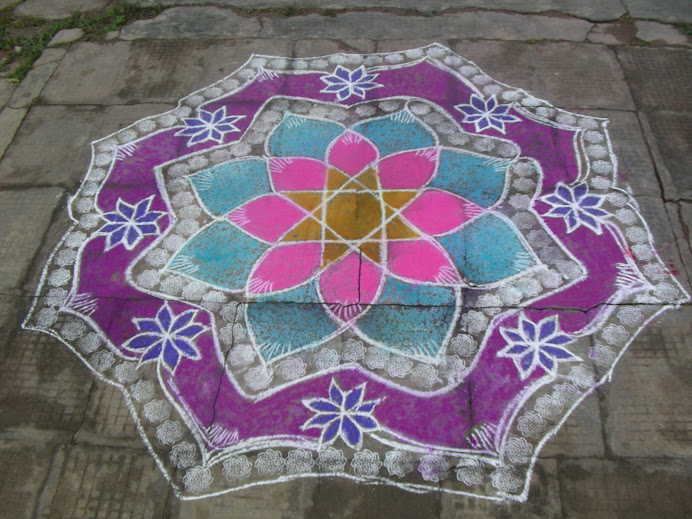
rangoli designs. The designs are usually inspired by nature, but they
can also be in the form of abstract art.
Sunday, September 16, 2012
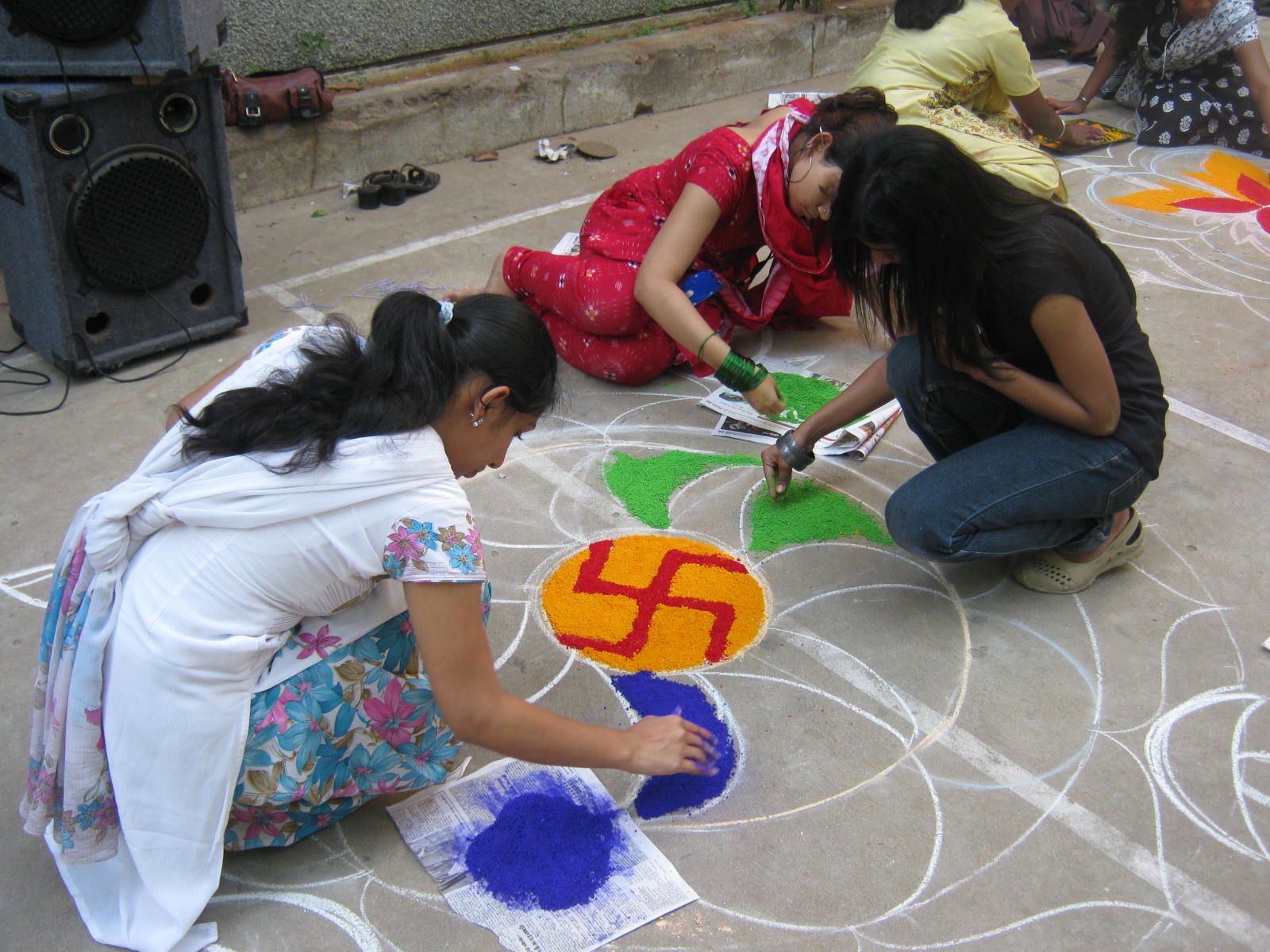
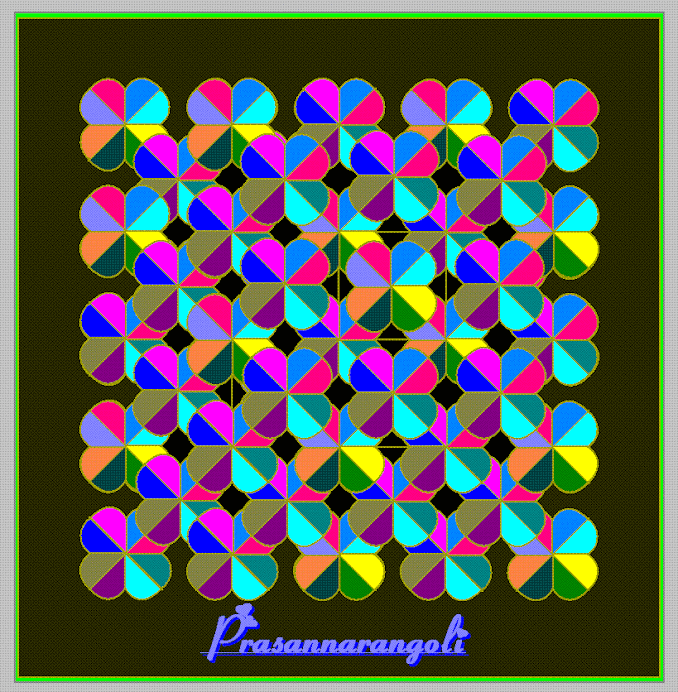
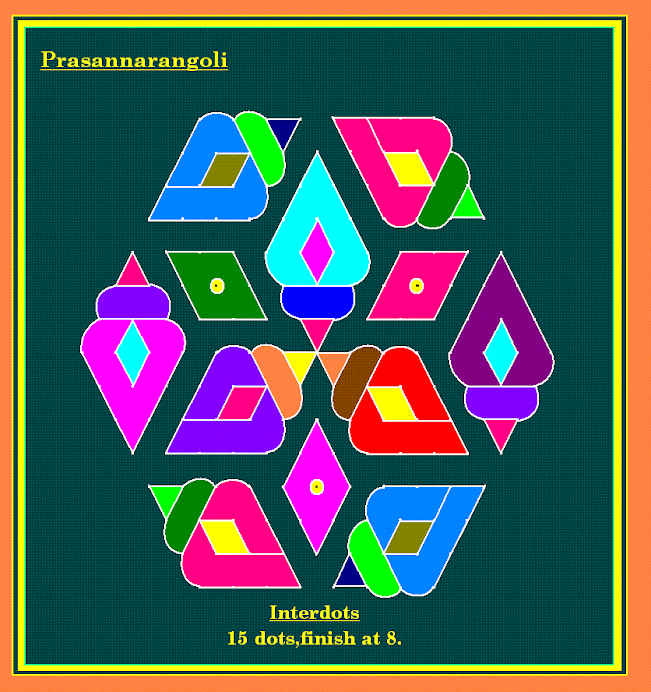
Rangoli is made in two ways. Dry and wet. Both a generous and is
created by adding other points. The rangoli made by adding points to
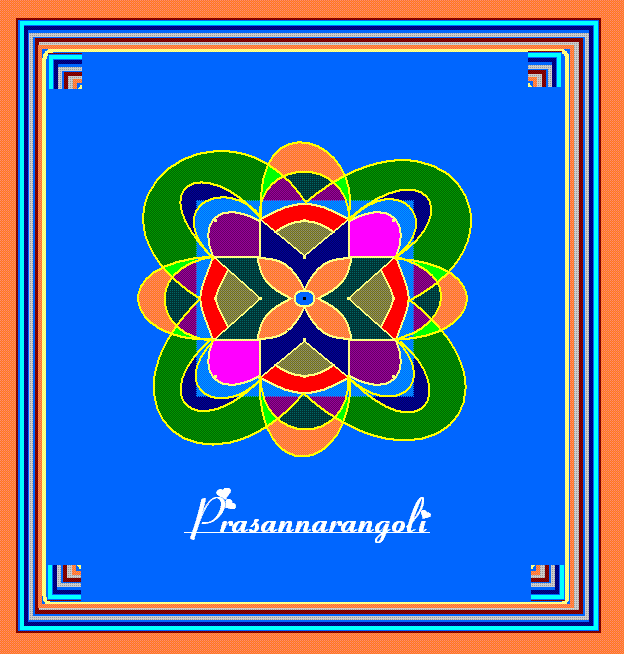
the first white paint on the ground in a particular size are made
certain point then shaking the points is a beautiful figure takes
shape. After creating the desired shape, there are full color. Freehand
rangoli image is created directly on the ground. Traditional Mmandn
make ocher and gray is used vertically. Rangoli rangoli colors to meet
the market diversify the color can be made. Rangoli making trouble for
those wanting the freedom to decorate your home Dehri 'Redimad rangoli'
sticker found in the market, which desired pasting location for Rangoli
patterns can be created. In addition, the market has emerged as plastic
shapes but also get points, which put him on the floor putting up paint
beautiful shape emerging from the ground comes. Rangoli is the practice
of making these items can be used. See some of which cast the flour or
colored powder that can be filled. There are small holes per sample.
Slightly off the floor as they collide at certain locations Zrta colors
and beautiful piece becomes manifest. Using plastic to make rangoli are
also Stencils. wet Rangoli rice water mixed up in it Peiskara crafted.
The solution to the ऐपण, ऐपन or Pithaar called. Use this colorful
turmeric is also used to make. In addition to the market to meet
colorful rangoli posters, crayons, fabric and are made from acrylic
colors.
A newer trend of making rangoli involves using cement colors with marble powder. This is a rather precise method but requires some previous training. Beautiful portraits can be drawn using this method.
Rangoli art is an adornment or decoration that has different names in different provinces of India; for example, Purna in Uttar Pradesh, Mmandn in Rajasthan, Aripan in Bihar, Bengal Alpana in Maharashtra, Rangavallie in Karnataka, Kollam in Tamil Nadu, Muggu in Andhra Pradesh, Alikhthap in Kumaon, Kolam in Kerala, and Saathiyo in Gujarat. There are many variations on these rangolioan. In, Maharashtra, rangoli are drawn on the doors of homes so that evil forces attempting to enter are repelled. India's southern Kerala settled on the edge Onam rangoli on the occasion of flowers used to decorate is. South Indian Province - Tamil Nadu, Andhra Pradesh and Karnataka, the 'column' is some margin but their basics are unchanged. These are decorated in geometric and symmetrical मूल्यतः sizes. For rice flour or slurry is used. The back of the rice flour used to be white and easy availability. Between the thumb and forefinger of dried rice flour by putting a certain cast is dropped. Rajasthan Mandana the word was taken from the corroboration means is decoration. Mmandne various festivals, major festivals and ॠ can be categorized based on seasons. Different shapes depending on the size of it also can be shared. Kumaon 's "writing beat 'or in a variety of plotting symbols Thapa, artistic designs, Bellbutoan is used. Alikhthap of society apart - separated by different groups - different icons and art media is used. South Indian rangoli usually based on geometric shapes while at the north of the auspicious sign
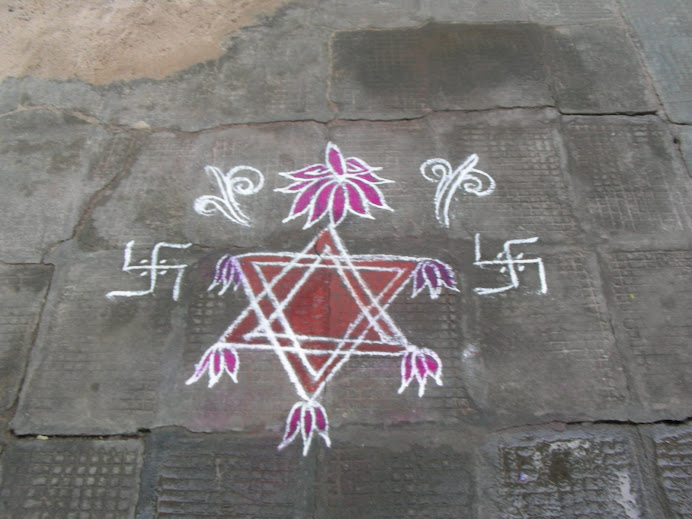
Rangoli is used as a symbol of religious and cultural beliefs, specifically Hindu. It is considered an important part of the spiritual process; it might be called the purification of the spirit and the prosperity that lies behind such purification. Moreover, it represents a philosophy of life that enthusiastically celebrates the impermanence of knowing and devotes itself to a constant wish to live in the present. The idea that tomorrow will be renewed, which is the purpose of the rangoli, is one of the greatest concerning this symbol. Additional house festivals or family occasions inspire the art of crafting rangoli. Women may make rangoli at the entrance to every room of the house. The hobby itself is a basic symbol of eternal innovative creation, thus symbolic of the spirit. Rangoli created with icons, such as the swastika, lotus flower, Lakshmiji step (Pegalie), etc., are considered indicators of prosperity. Many homes today craft rangoli daily. The art, then, has become a part of the modern family. This decor created for almost all except the few; it is a symbol of human spirit and thus an important means to realize cultural feelings. Rangoli symbolizes joy and happiness.
rangoli from wikipedia
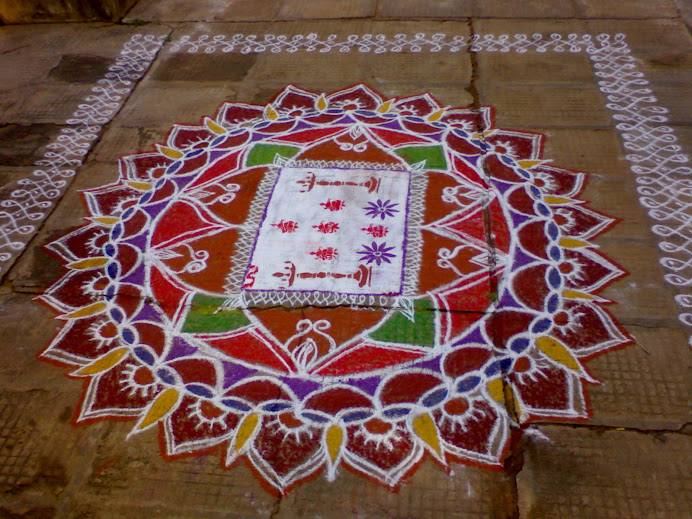
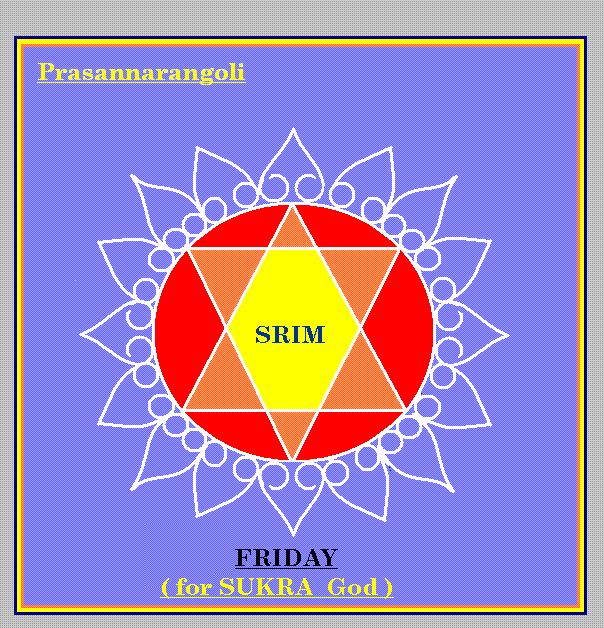
Rangoli also known as Kolam is a folk art from India. Rangoli are decorative designs made on the floors of living rooms and courtyards during Hindu festivals. They are meant to be sacred welcoming areas for the Hindu deities.[1] The ancient symbols have been passed on through the ages, from each generation to the next, thus keeping both the art form and the tradition alive. The patterns are typically created with materials, including colored rice, dry flour,(colored) sand or even flower petals. Rangoli and similar practices are often followed in different Indian states; in Tamil Nadu, one has Kolam, Madanae in Rajasthan, Chowkpurna in Northern India, Alpana in Bengal, Aripana in Bihar, chowk pujan in uttar pradesh etc.[2]
Rangoli were not just a medium of decoration but it reduces negative energy and add positivity to places where it made.
The purpose of Rangoli is decoration, and it is thought to bring good luck. Design-depictions may also vary as they reflect traditions, folklore and practices that are unique to each area. It is traditionally done by women, but over the years modern additions have been adapted. Generally, this practice is showcased during occasions such as festivals, auspicious observances, celebrations of marriages and other similar milestones and gatherings.
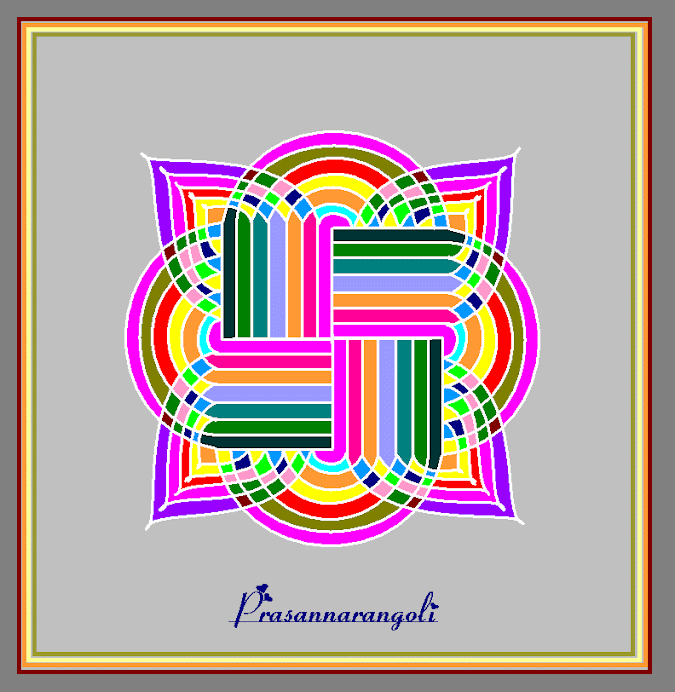
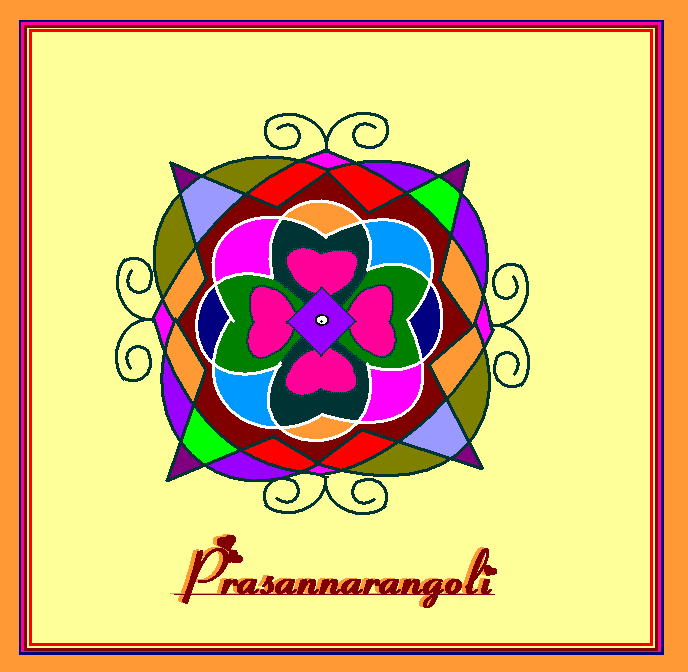
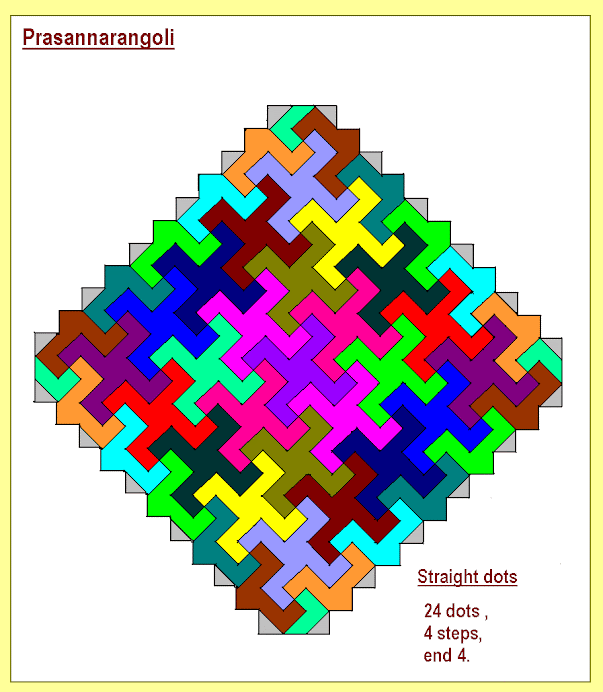
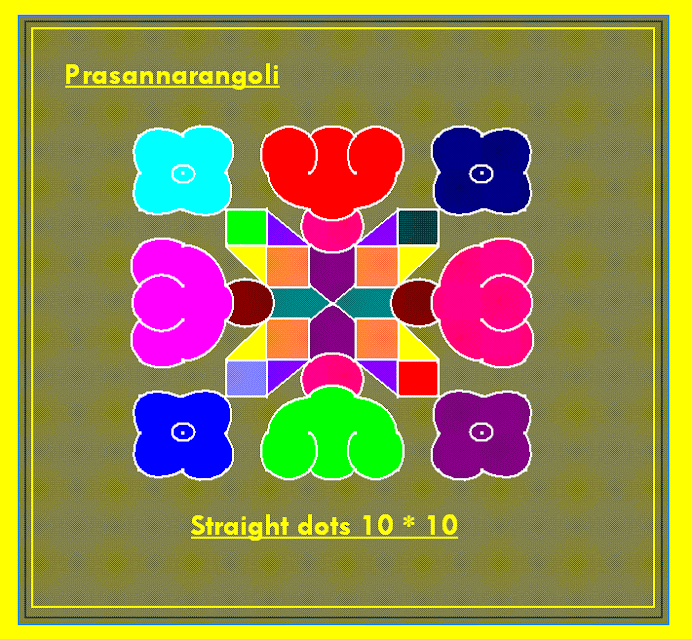
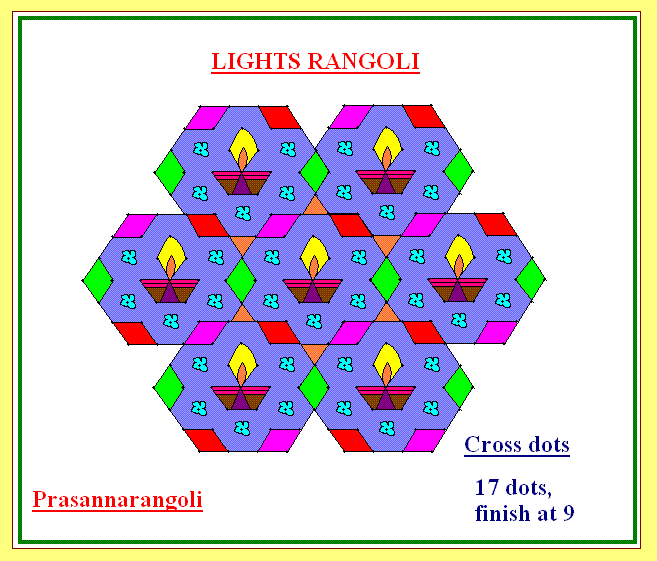
Rangoli designs can be simple geometric shapes, deity impressions, flower and petal shapes (appropriate for the given celebrations), but they can also become very elaborate designs crafted by numerous people. The base material is usually dry or wet granulated rice or dry flour, to which Sindoor (vermilion), Haldi (turmeric) and other natural colors can be added. Chemical colors are a modern variation. Other materials include colored sand and even flowers and petals, as in the case of Flower Rangolis.
Monday, February 8, 2010
Subscribe to:
Comments (Atom)