Sunday, April 5, 2026
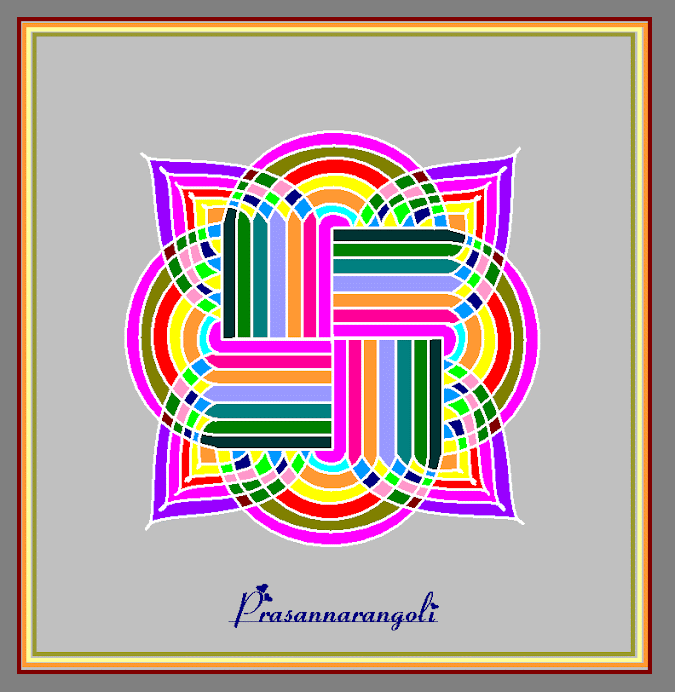
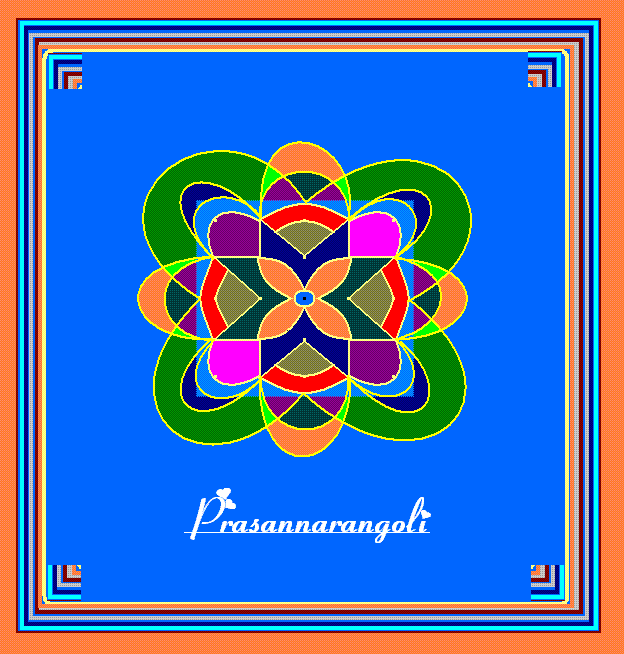
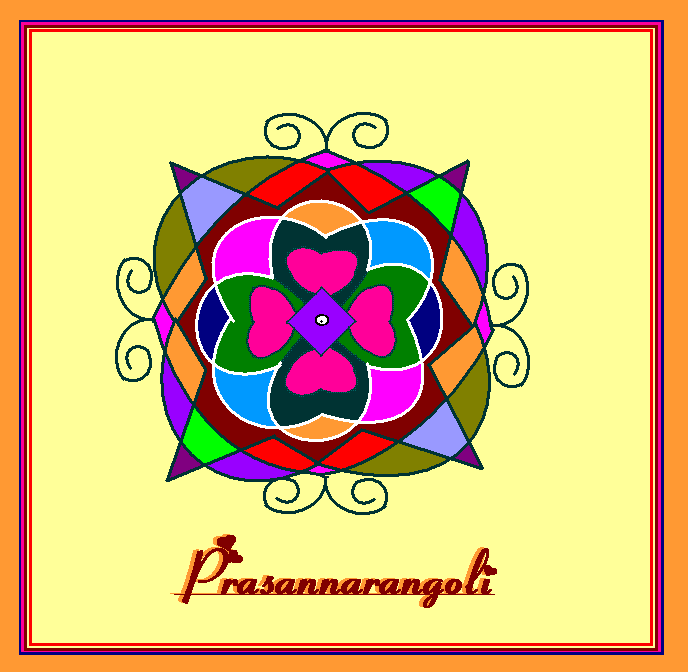
A few easy Kolam (rangoli) designs you can try at home
🌼 1. Simple Dot Kolam (Beginner)
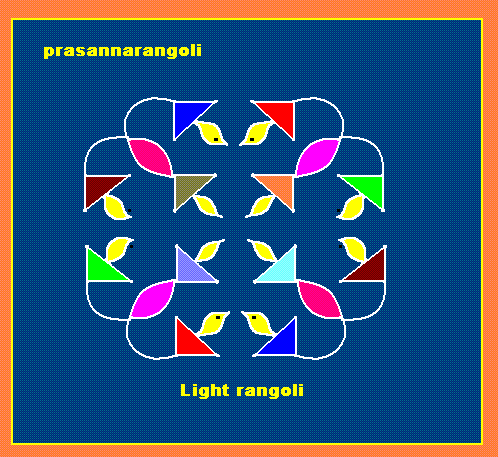
- Draw a grid of dots (like 4 × 4)
- Join the dots with curved lines around them
Example idea:
• • • •
• • • •
• • • •
• • • •

→ Draw loops around each dot to form a flower-like pattern
🌸 2. Straight Line Kolam
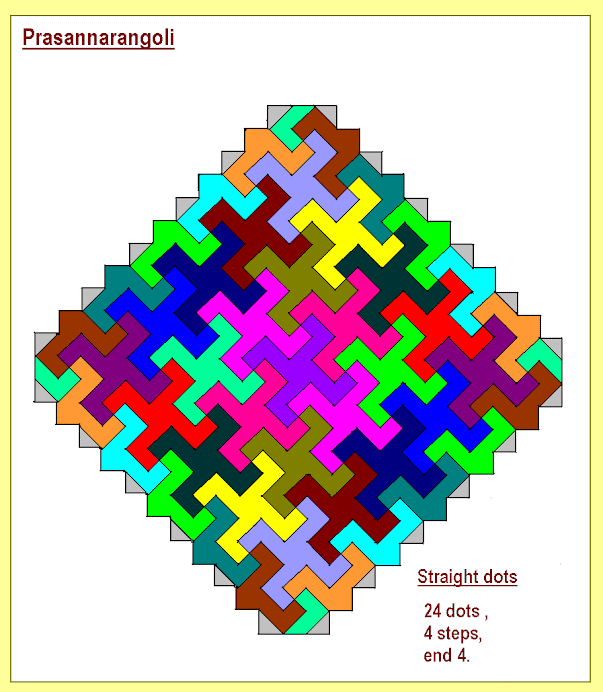
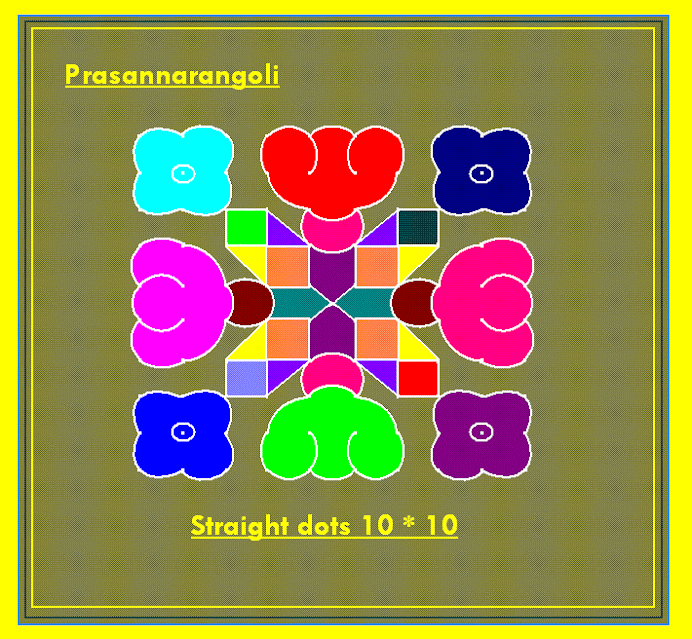
- Make dots in rows
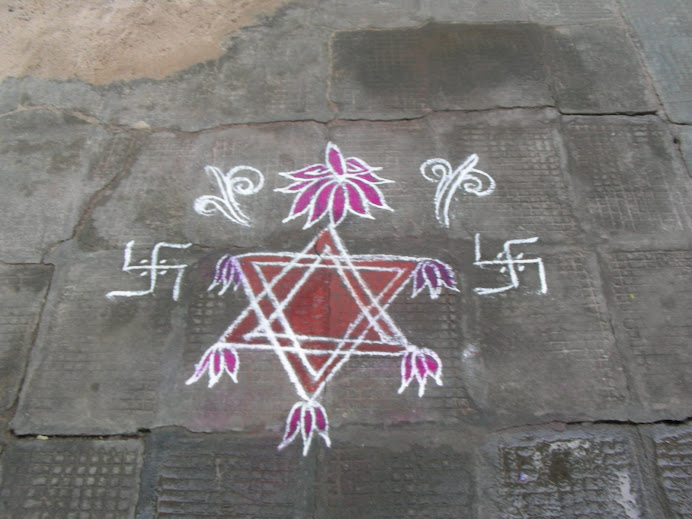
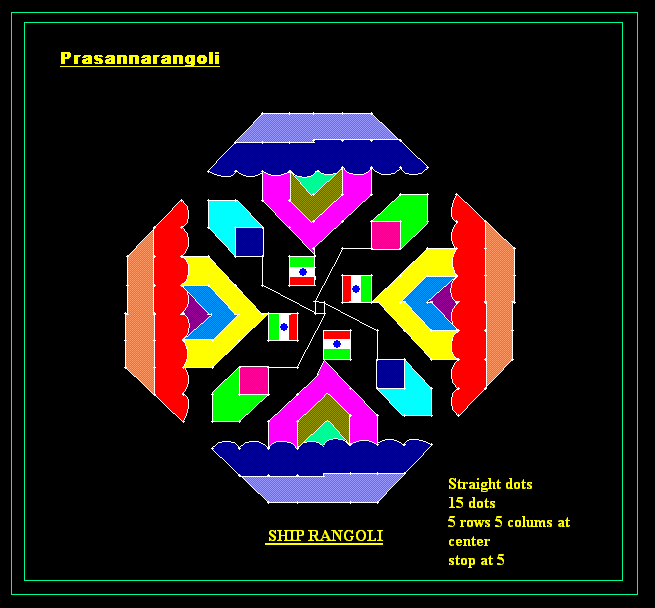
- Connect them using straight lines to form squares/diamonds
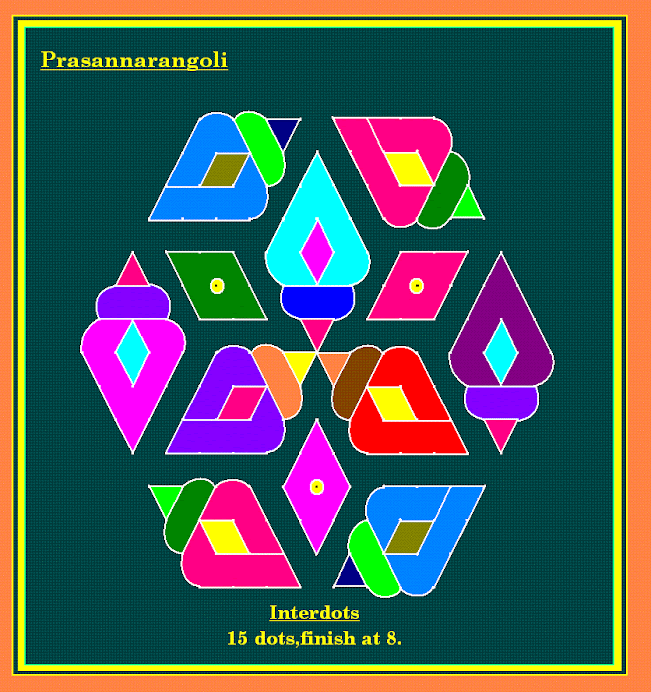
🌺 3. Pulli Kolam (Classic Style)
- “Pulli” means dots
- Arrange dots like: 5-4-3-2-1
- Draw curved lines weaving around the dots
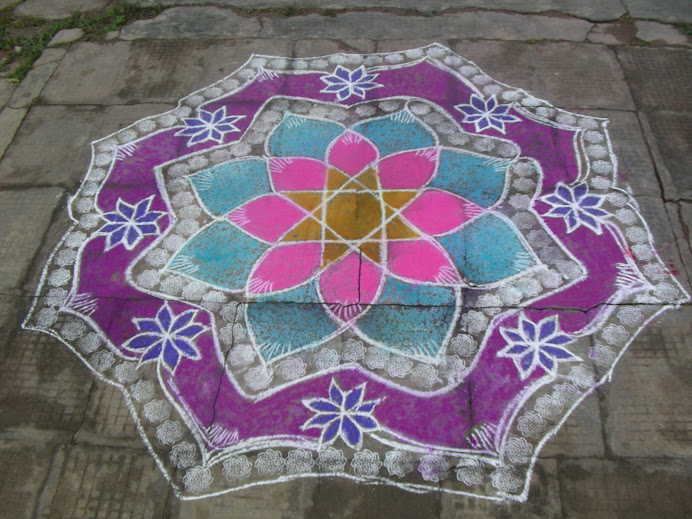
🌻 4. Flower Kolam
- Start with a small circle in the center
- Add petal shapes around it
- Decorate with extra dots or lines
🌟 Tips for beginners
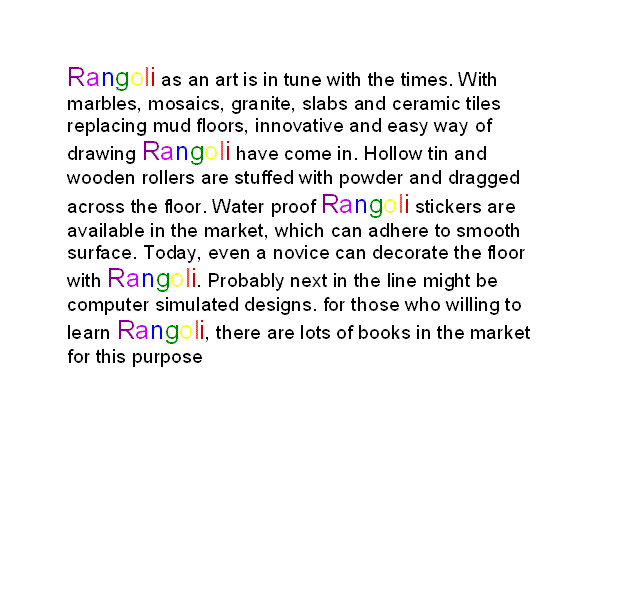
- Use rice flour or chalk powder for easy correction
- Practice with a pencil on paper first
- Start small, then slowly try bigger designs
- Symmetry is the key ✨


what is the special type of rangoli?
🌸 Common & Special Types of Rangoli
1. Kolam (South India)
- Popular in Tamil Nadu
- Made using rice flour
- Usually drawn with dots and curved lines
- Daily practice at house entrances for prosperity
2. Muggu (Andhra Pradesh & Telangana)
- Similar to Kolam but often more decorative
- Includes geometric patterns and festive designs
3. Alpana (West Bengal)
- Made using a paste of rice and water
- Features floral and symbolic patterns
- Common during religious rituals
4. Mandana (Rajasthan & Madhya Pradesh)
- Drawn on walls and floors using chalk or red clay
- Often includes animals, birds, and folk motifs
5. Aipan (Uttarakhand)
- Made with red mud base and white rice paste
- Used in rituals and festivals
6. Pookalam (Kerala) 🌼
- Made with fresh flower petals instead of powders
- Especially during the festival of Onam
- Circular and colorful floral designs
7. Sand Rangoli
- Uses colored sand for vibrant designs
- Common in competitions and public displays
8. Freehand Rangoli
- No dots or grid—completely artistic and creative
- Often used for modern decorative purposes
Saturday, April 4, 2026
Why We Create Rangoli in Our Homes?
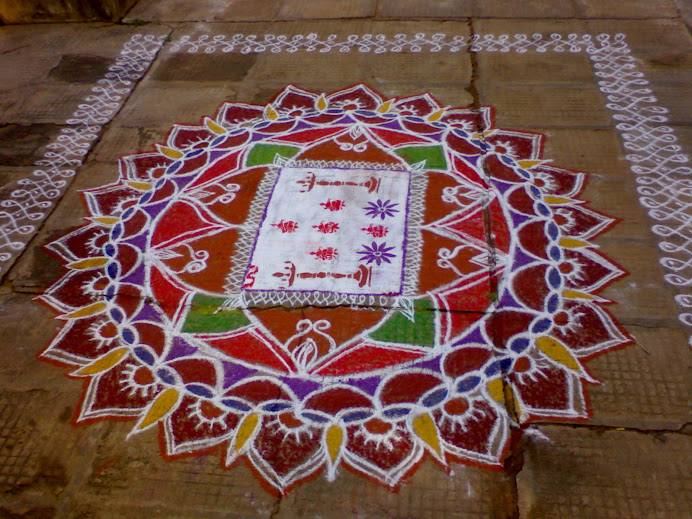
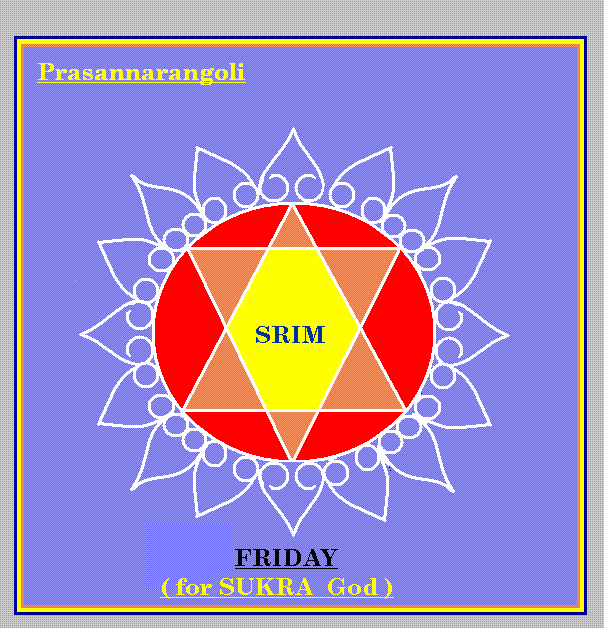
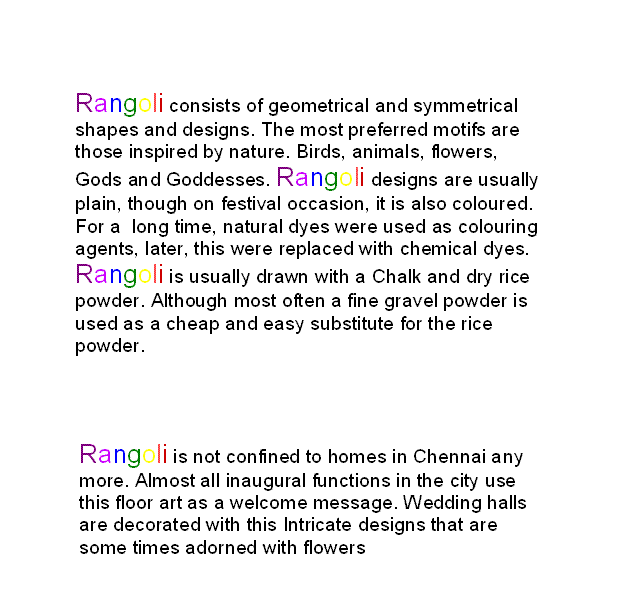
Rangoli is a beautiful and meaningful tradition deeply rooted in Indian culture. It involves creating decorative patterns on the floor—usually at the entrance of homes—using colored powders, rice flour, flowers, or sand. Though it looks artistic, rangoli carries cultural, spiritual, and even practical significance.
🌸 1. Welcoming Positivity and Prosperity
Rangoli is believed to invite good luck, happiness, and prosperity into the home. During festivals like Diwali and Pongal, people create rangoli to welcome divine blessings, especially from Goddess Lakshmi, who symbolizes wealth and fortune.
🏡 2. A Sign of Warm Hospitality
Drawing rangoli at the entrance is a traditional way of greeting guests. It shows warmth, respect, and joy, making visitors feel welcomed and valued.
🎨 3. Expression of Creativity
Rangoli allows people to express their artistic side. Designs can range from simple geometric shapes to intricate patterns inspired by nature, mythology, or daily life. It’s a form of art passed down through generations.
🧘 4. Promotes Calmness and Mindfulness
Creating rangoli requires patience and focus. The process itself can be meditative, helping reduce stress and bring a sense of peace and satisfaction.
🌾 5. Traditional and Scientific Reasons
In earlier times, rangoli was often made using rice flour. This served a practical purpose—it provided food for ants and small insects, promoting harmony with nature and the ecosystem.
👨👩👧 6. Strengthening Family and Cultural Bonds
Making rangoli is often a family activity, especially during festivals. It helps preserve traditions and strengthens connections between generations.
✨ Rangoli Designs
Here are some common types of rangoli patterns:
- Floral patterns 🌺
- Geometric shapes 🔷
- Peacock and bird designs 🦚
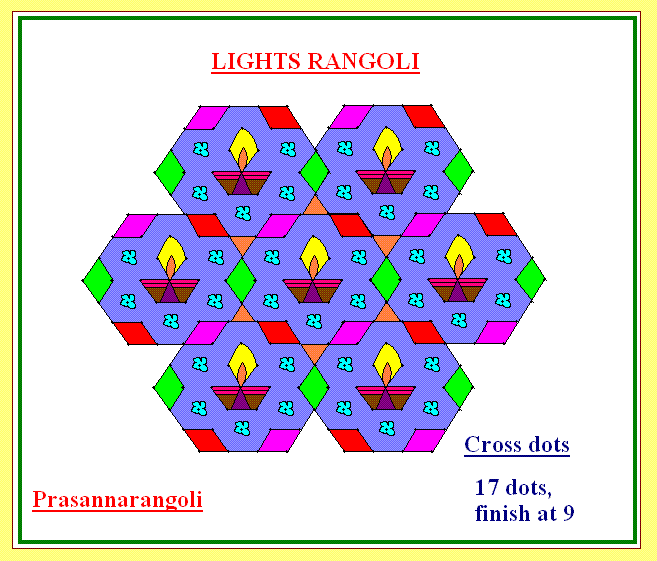
- Festival-themed rangoli 🪔
🌼 Conclusion
Rangoli is more than just decoration—it reflects tradition, spirituality, creativity, and harmony with nature. Whether simple or elaborate, each design carries meaning and joy, making homes more vibrant and welcoming.
Friday, November 1, 2024


Wednesday, January 13, 2021

Subscribe to:
Posts (Atom)